IoT Connectivity Provider Importance of Connectivity in IoT
IoT Connectivity Comprehensive Guide to IoT Connectivity Technologies
The landscape of the Internet of Things (IoT) is huge and varied, providing an array of connectivity choices tailor-made to totally different use instances. In this complicated ecosystem, the selection between cellular and non-cellular IoT connectivity plays a pivotal position in determining the success of IoT deployments.
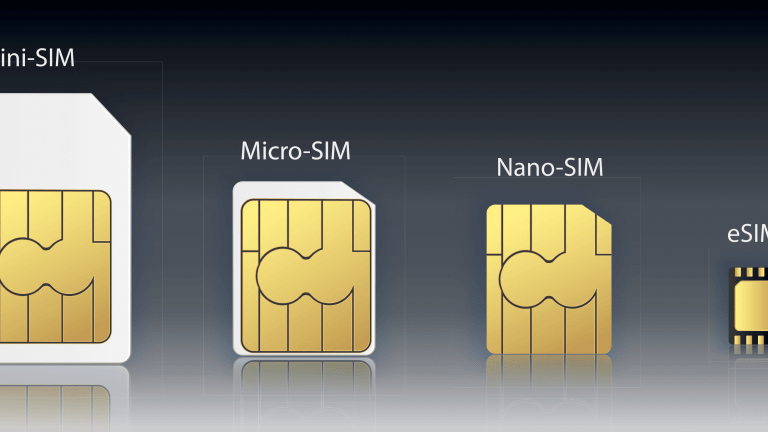
Cellular IoT connectivity makes use of existing cellular networks to facilitate communication. IoT Connectivity Technologies. This expertise leverages the infrastructure of established cellular providers, thereby making certain broad protection and excessive information transfer charges. The convenience of utilizing cellular networks implies that intensive geographical areas may be covered with out the necessity for laying new cables or deploying extra infrastructure.
One of the numerous advantages of cellular connectivity is its confirmed reliability. Networks have been optimized over the years, making certain that they can handle numerous related units concurrently. In environments the place constant and reliable performance is essential, cellular IoT offers a strong foundation, especially for applications like telemedicine, vehicle tracking, or smart metropolis solutions.
Vodafone Managed IoT Connectivity Platform Market for IoT Connectivity Management Platforms
Conversely, non-cellular IoT connectivity refers to technologies like Wi-Fi, Bluetooth, Zigbee, and LPWAN. These options typically function in short-range situations and are typically designed for particular applications. They enable for the establishment of native networks that may achieve high-speed data transfers but with restricted vary. This can make them a wonderful alternative for applications confined to a particular space, like residence automation or industrial monitoring within a manufacturing unit.
The alternative between these two connectivity varieties primarily hinges on the necessities of the specific application. For instance, a sensible meter deployed in a remote location might considerably profit from cellular connectivity due to the extended vary and talent to transmit information over longer distances. On the other hand, a sensible home system, which operates inside a confined area, may utilize Wi-Fi or Bluetooth, given their capability to provide sturdy native connectivity at decrease prices.
Moreover, energy consumption varies considerably between cellular and non-cellular technologies. Cellular units, while increasingly efficient, usually eat extra energy in comparability with their non-cellular counterparts. This is a important consideration for battery-powered devices that goal to function for prolonged periods without needing frequent recharges or battery replacements. Non-cellular technologies often allow for energy-saving modes which can prolong operational life, making them perfect for functions the place longevity is paramount.
IoT Connectivity Managementplatform Platforms for IoT Connectivity Management
Cost components additionally play a big position in making a choice between cellular and non-cellular connectivity. The deployment of cellular IoT devices usually entails service plans that incorporate ongoing subscription prices. In distinction, non-cellular options might require an upfront funding in infrastructure, but they can end result in lower operational prices in the long run.
Security issues come up distinctly in each forms of connectivity. Cellular networks supply a level of built-in safety because of their closed nature and reliance on established protocols. Encryption and authentication processes are usually strong, making it difficult for unauthorized customers to entry the community. Non-cellular technologies, whereas handy, can potentially expose devices to elevated security dangers, especially in open networks like public Wi-Fi - IoT Connectivity Market.
The scalability of an IoT system is one other issue to contemplate when deciding on connectivity choices. Cellular networks have a tendency to provide higher scalability due to their capability to accommodate a big quantity of devices over broad areas. This is especially helpful for enterprises looking to broaden their IoT deployments without the need to overhaul present infrastructure.
IoT Connectivity Managementplatform Growth of Connected IoT Devices
Non-cellular networks can also scale, but they are often limited by Visit Website range and knowledge handling capabilities. In congested environments or densely populated areas, the performance of non-cellular options might diminish, creating bottlenecks that would have an result on the general efficiency of an IoT ecosystem. This contrast can have an effect on the long-term viability of a solution depending on the expected progress and complexity of the applying.
Latency is a vital component that distinguishes cellular and non-cellular IoT connectivity. Cellular networks have improved considerably over latest years, however latency can nonetheless be larger compared to some non-cellular options. For applications requiring real-time responses, such as autonomous driving or industrial automation, lower latency connections are important. In such circumstances, edge computing combined with non-cellular technologies may provide the necessary response instances.
In summation, the choice between cellular and non-cellular IoT connectivity is much from easy. Each choice carries unique benefits and disadvantages that cater to completely different utility wants. Understanding the particular necessities of a project, from range and reliability to power consumption and value, is key to creating a well-informed alternative.
The course of IoT deployments continues to evolve, with advancements and innovations in each cellular and non-cellular technologies continually reshaping the landscape. As organizations become more and more aware of the implications of their connectivity choices, the significance of tailor-made solutions to fit distinctive use circumstances will solely continue to develop.
IoT Global Connectivity Connection Types and IoT Devices Overview
Future developments in standards and protocols might bridge some gaps between cellular and non-cellular choices, doubtlessly resulting in hybrid solutions that capitalize on the strengths of each. Exploring these avenues shall be essential for stakeholders in navigating the ever-changing world of IoT connectivity.
Ultimately, as businesses embark on their IoT journeys, the proper connectivity choice will significantly impact their operational efficiency, value management, and skill to innovate. By fastidiously contemplating all relevant elements, organizations can harness the complete potential of their IoT initiatives, resulting in transformative outcomes in numerous industries.
- Cellular IoT connectivity leverages established cell networks, offering intensive protection in city and rural areas.
- Non-cellular IoT choices, such as LoRaWAN and Sigfox, are sometimes cheaper to deploy and keep because of their decrease infrastructure necessities.
- Cellular connections sometimes supply greater knowledge transfer rates, making them suitable for applications requiring real-time data transmission.
- Non-cellular options are inclined to eat less energy, prolonging the lifespan of battery-operated units in distant purposes.
- The rollout of 5G know-how enhances cellular IoT capabilities, allowing for more units to connect simultaneously with minimal latency.
- Non-cellular technologies may face challenges with range and scalability, particularly in densely populated environments with interference.
- Security features range, with cellular connections usually incorporating superior encryption standards, whereas non-cellular choices may use simpler safety protocols.
- Geographic and environmental factors can impact the efficiency of non-cellular methods, making them less dependable in sure locations.
- Device management and over-the-air updates could be more streamlined with cellular connectivity as a result of present frameworks supported by telecom providers.
- The choice between cellular and non-cellular IoT connectivity largely is decided by particular use cases, prices, and desired community capabilities.
What is the primary difference between cellular and non-cellular IoT connectivity?
Cellular IoT connectivity makes use of cell networks, allowing gadgets to speak over long distances. Non-cellular IoT connectivity depends on alternate visit site options like Wi-Fi, Bluetooth, or LoRaWAN, sometimes suited for shorter ranges and particular environments.
Connectivity Of IoT Platforms for IoT Connectivity Management
Which connectivity possibility is more dependable for IoT applications?
Cellular connectivity generally presents greater reliability as a outcome of robust community infrastructure and coverage. Non-cellular choices may be less dependable, particularly in areas with weak indicators or knowledge congestion.
How do prices examine between cellular and non-cellular IoT connectivity?
IoT Connectivity Products Pressure on IoT Connectivity Prices
Cellular connectivity typically incurs larger operational costs as a end result of information plans and subscription fees, while non-cellular choices may contain lower upfront costs but can incur bills related to maintenance and infrastructure.
What forms of IoT functions benefit most from cellular connectivity?
Applications requiring constant knowledge transmission or extensive geographic protection, such as vehicle tracking, smart cities, and distant monitoring, considerably profit from cellular connectivity.
IoT Connectivity Service Providers Choosing the Right IoT Connectivity Option
In what scenarios is non-cellular IoT connectivity preferred?
Non-cellular IoT connectivity is preferred in scenarios where budgets are restricted, similar to house automation and native sensor networks, or the place units have to operate within a contained area.
How does power consumption range between cellular and non-cellular IoT devices?
Cellular gadgets usually eat extra power as a result of their have to constantly communicate over mobile networks. Non-cellular gadgets may be designed for low-power consumption, particularly in short-range purposes.
IoT Connectivity Market Management of Connectivity in IoT
Is safety different between cellular and non-cellular IoT options?
Both cellular and non-cellular options have distinctive safety challenges. Cellular networks typically have built-in safety protocols, while non-cellular options require further measures, like encryption, to guard information.
What Is IoT Connectivity? Definition of IoT Connectivity
Can non-cellular IoT connectivity scale effectively?
While non-cellular IoT connectivity can scale in phrases of the variety of units, it may face limitations in efficiency and range. Cellular networks are designed to handle a lot of connections effectively, making them a higher option for scalable purposes.
IoT Connectivity Management Comprehensive Guide to IoT Connectivity Technologies
What position does latency play in selecting between cellular and non-cellular IoT connectivity?
Latency may be crucial for purposes requiring real-time responses, similar to autonomous automobiles. Cellular networks sometimes provide lower latency than many non-cellular choices, making them preferable for time-sensitive purposes.